Homemade Butterscotch Pudding is the kind of dessert that instantly brings comfort, warmth, and a little nostalgia to the table. The first time I made it was on a chilly afternoon when I was craving something cozy but simple—no oven, no fancy tools, just a saucepan and a whisk. As the brown sugar bubbled with butter on the stovetop, the kitchen filled with that unmistakable warm, caramel-like aroma that feels like a hug in dessert form.
This pudding is luxuriously creamy with a deep, rich butterscotch flavor that only comes from real dark brown sugar and butter. It’s made the old-fashioned way on the stovetop, just like grandma used to do, but without any stress or complicated steps. If you’ve ever been disappointed by store-bought pudding cups, this homemade version will be a revelation. The texture is silkier, the flavor is bolder, and the satisfaction is on a whole different level.
Best of all, this recipe is completely foolproof—even if you’re new to homemade desserts. With a few pantry staples and about 15 minutes of cooking time, you’ll have a classic, indulgent pudding that feels special enough for guests but easy enough for a quiet weeknight treat.
Why You’ll Love This Homemade Butterscotch Pudding
Rich, Creamy, Old-Fashioned Texture
What really sets this pudding apart is its silky-smooth, spoon-coating texture. The combination of egg yolks and cornstarch works together beautifully to create a pudding that’s thick, creamy, and never gummy. There are no artificial thickeners or shortcuts here—just classic technique that results in a luscious, custard-like consistency that feels truly old-fashioned and indulgent.
Deep Butterscotch Flavor from Brown Sugar
The flavor starts with dark brown sugar gently cooked in butter until it’s bubbly and fragrant. This step caramelizes the sugar slightly, unlocking deep molasses notes and warm, toasty flavors that define true butterscotch. As the milk and cream are whisked in, the mixture becomes smooth and rich, creating a pudding that tastes layered and complex without being overly sweet.
Simple Pantry Ingredients
One of the best things about this recipe is how approachable it is. There’s no gelatin, no boxed pudding mix, and no hard-to-find ingredients. Everything comes from everyday pantry and fridge staples, making this an easy dessert to whip up whenever the craving hits—no special shopping trip required.
Easy Stovetop Method Anyone Can Master
Don’t let the word “homemade” intimidate you. The stovetop method is straightforward and forgiving, with clear visual cues to guide you along the way. If you can whisk and stir, you can make this pudding. It comes together quickly, making it perfect for beginners who want impressive results without complicated techniques.
Ingredients
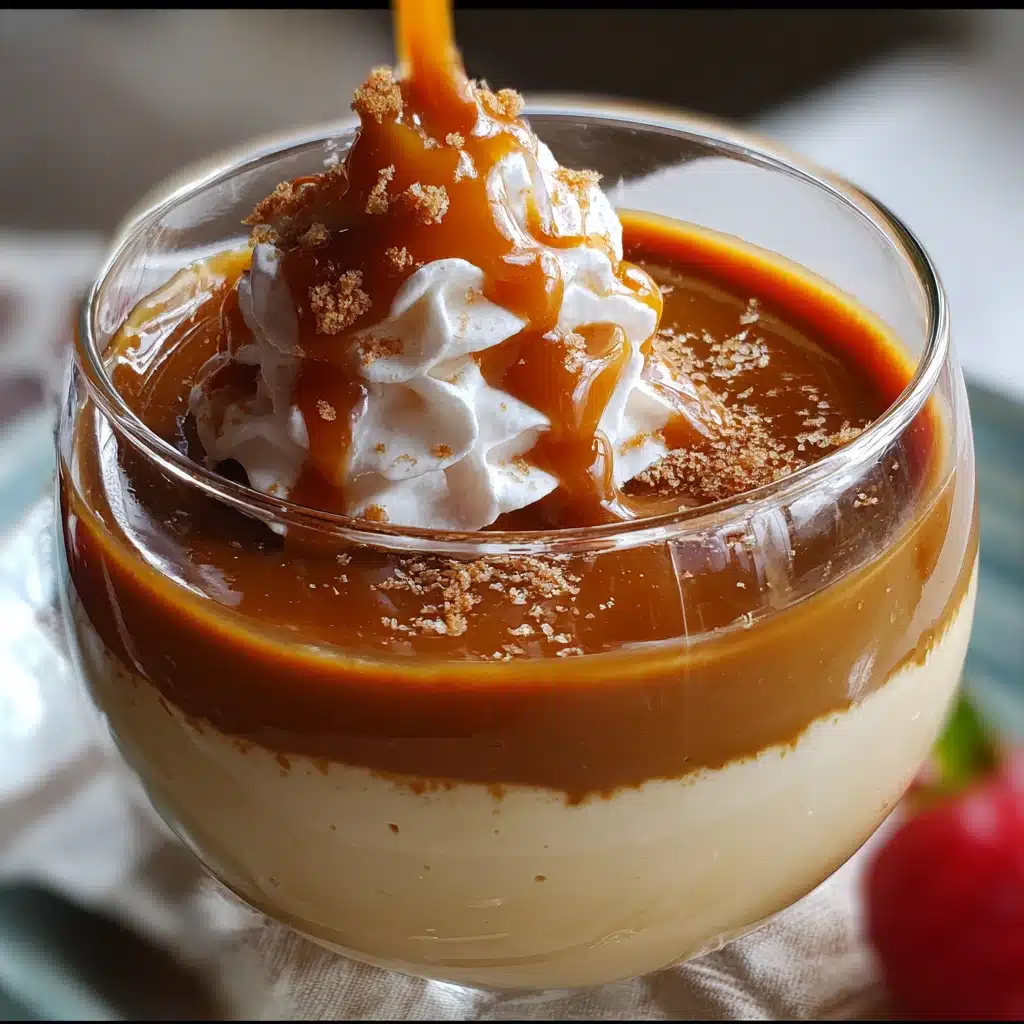
Full List of Ingredients and Their Role
-
Dark brown sugar – The heart of butterscotch flavor, providing deep molasses notes and warm caramel richness.
-
Unsalted butter – Adds richness and allows full control over the salt level in the pudding.
-
Whole milk – Forms the creamy base and keeps the texture smooth and balanced.
-
Heavy cream – Adds luxurious body and gives the pudding its indulgent mouthfeel.
-
Egg yolks – Contribute richness, color, and natural thickening for a custard-like finish.
-
Cornstarch – Ensures a smooth, stable thickness without making the pudding heavy.
-
Salt – Enhances the sweetness and balances the caramel notes.
-
Vanilla extract – Rounds out the flavors and adds warmth and depth.
Helpful Tips:
Dark brown sugar works best here because of its higher molasses content, which creates a more intense butterscotch flavor than light brown sugar. Using full-fat dairy is also key—fat equals flavor and creaminess, and it’s what gives this pudding that truly indulgent, old-fashioned texture.
How to Make Homemade Butterscotch Pudding
Step-by-Step Instructions
Making homemade butterscotch pudding may sound a little old-school, but I promise—it’s much easier than it looks. Think of it as a calm, cozy moment at the stove, whisk in hand, letting simple ingredients turn into something truly special. Take your time, keep the heat gentle, and you’ll be rewarded with a silky-smooth pudding every single time.
-
Melt the butter gently.
Start by melting the butter in a medium saucepan over medium heat. You want it fully melted but not sizzling or browning. This sets the stage for a smooth butterscotch base, so keep the heat steady and calm. -
Cook the brown sugar until bubbly and fragrant.
Add the dark brown sugar to the melted butter and stir constantly. Within 2–3 minutes, the mixture will become glossy, bubbly, and wonderfully fragrant. This step is key—it develops those deep, warm butterscotch flavors. If it smells toasty and caramel-like, you’re right on track. -
Slowly add the milk and cream.
Gradually whisk in the milk and heavy cream. Pour slowly to avoid splashing, and don’t worry if the sugar tightens up at first—it will relax as the mixture warms. Bring everything to a gentle simmer, not a boil. -
Temper the egg yolks safely.
In a separate bowl, whisk the egg yolks, cornstarch, and salt until smooth. Slowly whisk about ½ cup of the hot milk mixture into the eggs. This gentle warming (called tempering) prevents scrambling and keeps the pudding silky. -
Thicken without scrambling.
Pour the tempered egg mixture back into the saucepan, whisking constantly. Keep the heat at medium and stir continuously. Within 5–7 minutes, the pudding will thicken noticeably. -
Know when it’s done.
The pudding is ready when it coats the back of a spoon and leaves a clean line when you run your finger through it. If it starts to bubble softly, that’s a good sign—just don’t stop whisking. -
Prevent pudding skin.
Remove from heat and stir in vanilla. Pour into serving dishes and press plastic wrap directly onto the surface. This simple trick keeps the top perfectly smooth. -
Chill for best texture.
Refrigerate for at least 2 hours. Chilling allows the pudding to fully set and develop that dreamy, creamy consistency.
What to Serve with Homemade Butterscotch Pudding
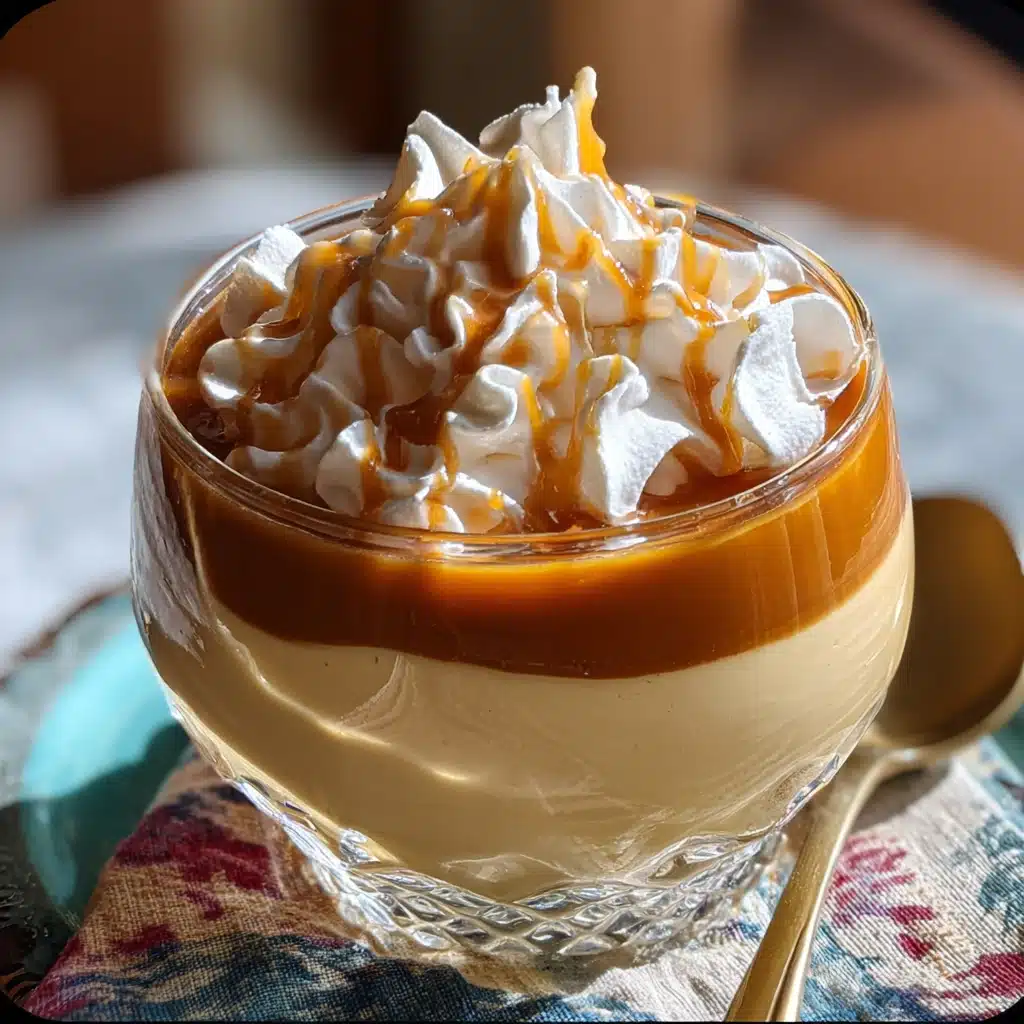
Suggested Pairings
Homemade butterscotch pudding is wonderful all on its own, but pairing it with the right drink or topping can turn it into a truly memorable dessert. Whether you’re serving it after dinner or as a cozy afternoon treat, these pairings complement its rich, caramel-like flavor beautifully.
Drinks
-
Coffee – The slight bitterness balances the sweetness perfectly.
-
Espresso – A bold option that highlights the pudding’s deep flavors.
-
Chai tea – Warm spices pair beautifully with butterscotch.
-
Cold milk – Simple, classic, and comforting.
Dessert Pairings
-
Whipped cream – Light and airy against the creamy pudding.
-
Vanilla ice cream – A cool, creamy contrast that feels extra indulgent.
-
Shortbread cookies – Perfect for dipping and adding a buttery crunch.
-
Graham crackers – A nostalgic pairing with subtle sweetness.
Toppings
-
Caramel sauce – For a double dose of caramel goodness.
-
Sea salt flakes – Just a pinch enhances the sweetness.
-
Chopped toffee – Adds crunch and extra butterscotch flavor.
-
Banana slices – A surprisingly delicious, classic combo.
Variations and Substitutions
Dairy-Free or Vegan-Inspired Option
You can create a dairy-free version by swapping the milk and cream for full-fat coconut milk and using plant-based butter. The pudding will still thicken nicely, though the texture will be slightly softer and the flavor a bit lighter. Expect a subtle coconut note that pairs surprisingly well with the butterscotch base.
Extra Rich and Decadent Version
For an ultra-indulgent twist, replace some of the milk with additional heavy cream for a thicker, more luxurious texture. Swirl in a small pat of butter at the end for extra shine, or add a pinch of espresso powder to deepen the caramel notes without making it taste like coffee.
Lightened-Up or Less Sweet Version
If you prefer a lighter dessert, reduce the brown sugar slightly and use half-and-half instead of heavy cream. A tiny pinch of extra salt helps balance the sweetness, keeping the flavor rich without feeling heavy or overly sweet.
Storage Instructions
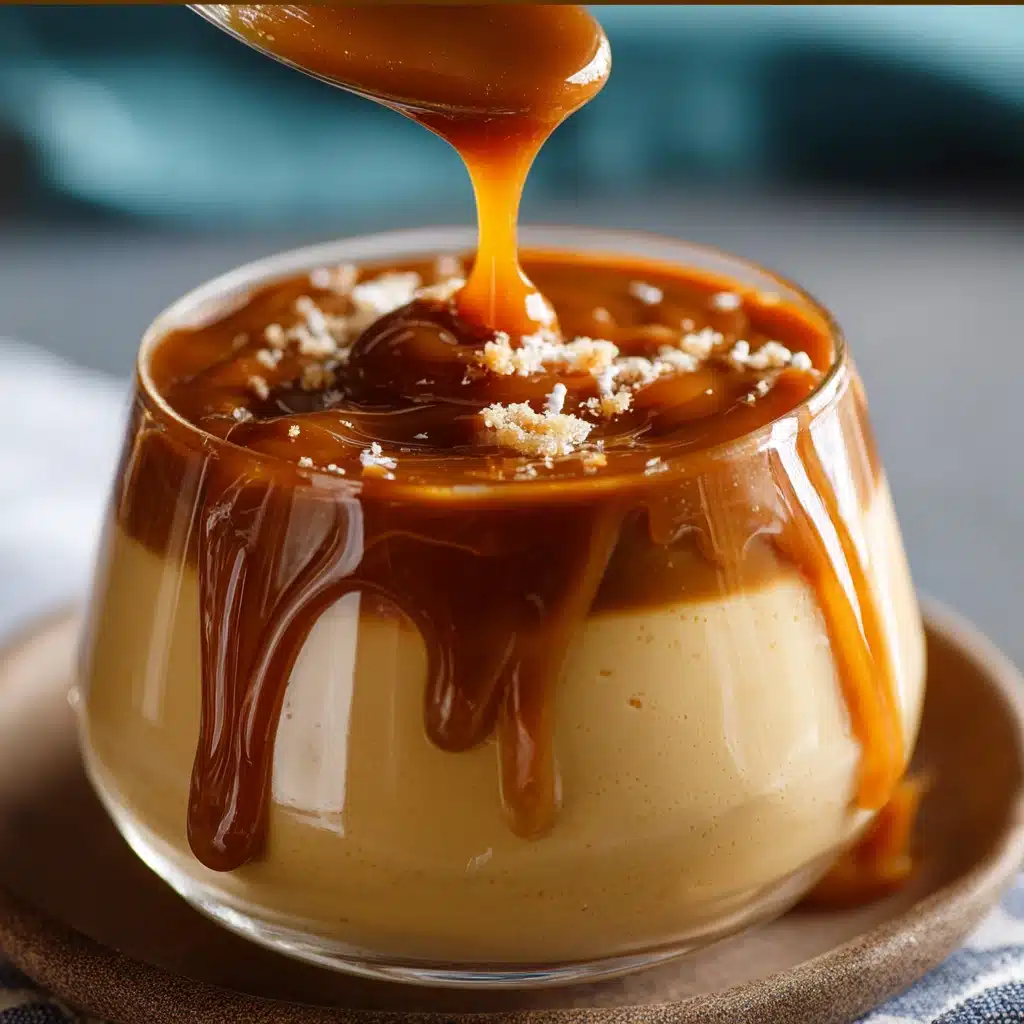
Proper storage keeps your homemade butterscotch pudding just as creamy and comforting as the day you made it. Whether you’re saving leftovers or planning ahead for a gathering, a few simple steps will protect that silky texture and rich flavor you worked so lovingly to create.
Refrigeration Tips
Once the pudding has cooled slightly, transfer it to airtight containers or individual serving cups. Press plastic wrap directly onto the surface of the pudding before sealing—this prevents air exposure and stops a skin from forming. Stored this way, homemade butterscotch pudding will stay fresh, smooth, and delicious in the refrigerator for 3 to 4 days. It’s perfect for make-ahead desserts or sneaky spoonfuls straight from the fridge.
Can You Freeze Butterscotch Pudding?
Technically, yes—but with a small caveat. Freezing can cause texture changes, making the pudding slightly grainy once thawed. If you do freeze it, use freezer-safe containers and press plastic wrap directly on the surface before sealing. Thaw overnight in the refrigerator and whisk gently before serving to help restore some smoothness. For best results, refrigeration is preferred.
Make-Ahead Tips
This pudding is an excellent make-ahead dessert for parties or holidays. Prepare it up to two days in advance and keep it chilled until serving time. Add toppings like whipped cream, caramel sauce, or toffee just before serving for the freshest look and best texture.
Recipe Tips and Tricks
-
Use a heavy-bottom saucepan to prevent scorching and ensure even heat.
-
Whisk constantly, especially after adding the egg mixture, to keep everything silky smooth.
-
Don’t rush the brown sugar and butter caramelization—this step builds the signature butterscotch flavor.
-
For an ultra-smooth finish, strain the pudding through a fine-mesh sieve before chilling.
-
Always chill fully before serving to allow the pudding to set properly and develop its best texture.
These little details make all the difference between good pudding and wow-worthy pudding.
Related Recipes
-
Easy Cream Puff Cake Recipe – Flaky crust and creamy filling, a perfect companion to pudding.
-
Moist Butterscotch Glazed Pumpkin Bread – A seasonal twist on butterscotch that pairs beautifully with pudding.
-
Banana Pudding Cheesecake Creation – Another creamy, nostalgic dessert for pudding lovers.
-
Banana Pudding Cheesecake Cones – A playful pudding-inspired dessert.
FAQs
Why did my butterscotch pudding turn grainy?
Grainy pudding usually happens when the heat is too high or the eggs cook too quickly. Keep the heat at medium, whisk constantly, and temper the egg yolks slowly to maintain a smooth, creamy texture.
Can I use light brown sugar instead of dark?
Yes, you can, but the flavor will be milder. Dark brown sugar has more molasses, which gives homemade butterscotch pudding its deep, classic flavor. Light brown sugar still works, just with a lighter taste.
How do I prevent pudding skin from forming?
The easiest way is to press plastic wrap directly onto the surface of the hot pudding before chilling. This blocks air exposure and keeps the top silky smooth.
Is butterscotch pudding the same as caramel pudding?
Not quite. Butterscotch pudding uses brown sugar and butter, while caramel pudding is made with white sugar cooked until caramelized. The flavors are similar, but butterscotch is warmer and richer.
Can I make homemade butterscotch pudding without eggs?
Yes. You can rely solely on cornstarch for thickening. The texture will be slightly less rich, but still creamy and delicious—perfect if you’re avoiding eggs.
Conclusion
Homemade butterscotch pudding is everything a comfort dessert should be: creamy, rich, and deeply flavorful, with that nostalgic, old-fashioned charm we all love. Even if you’re new to stovetop desserts, this recipe proves that a little patience and a whisk are all you need for beautiful results.
Don’t be afraid to customize it—add toppings, adjust sweetness, or try one of the variations to make it your own. If you give this recipe a try, leave a comment below and let me know how it turned out. And don’t forget to pin this recipe for later or share it with someone who loves classic desserts as much as you do. 🍮💛
Print
Creamy Homemade Butterscotch Pudding
- Total Time: 2 hours 25 minutes
- Yield: 4 servings
- Diet: Vegetarian
Description
A rich, creamy homemade butterscotch pudding made from simple pantry ingredients on the stovetop. Comforting, smooth, and perfect as a classic dessert.
Ingredients
- ¾ cup packed dark brown sugar
- 2 tablespoons unsalted butter
- 2 cups whole milk
- ½ cup heavy cream
- 3 large egg yolks
- 3 tablespoons cornstarch
- ¼ teaspoon salt
- 1 teaspoon vanilla extract
Instructions
- Melt the butter in a medium saucepan over medium heat.
- Add brown sugar and cook, stirring, until bubbly and fragrant.
- Slowly whisk in milk and heavy cream and bring to a gentle simmer.
- In a small bowl whisk egg yolks, cornstarch, and salt until smooth.
- Gradually whisk hot milk mixture into egg mixture to temper.
- Return mixture to saucepan, whisk constantly until thickened.
- Remove from heat and stir in vanilla extract.
- Pour into serving dishes, press plastic wrap on top, and chill at least 2 hours.
Notes
- Tempering the yolks prevents curdling.
- Press plastic wrap on pudding surface to prevent skin.
- Serve chilled with toppings like whipped cream, sea salt or toffee bits.
- Prep Time: 10 minutes
- Cook Time: 15 minutes
- Category: Dessert
- Method: Stovetop
- Cuisine: American
Nutrition
- Serving Size: 1 serving
- Calories: 320
- Sugar: ~30g
- Sodium: ~110mg
- Fat: ~16g
- Saturated Fat: ~9g
- Unsaturated Fat: ~5g
- Trans Fat: ~0.5g
- Carbohydrates: ~36g
- Fiber: ~0g
- Protein: ~6g
- Cholesterol: ~115mg