If there’s one dessert that brings instant magic to the holiday table, it’s the Christmas Pavlova. With its crisp, delicate shell and soft, marshmallow-like center, this showstopper feels like unwrapping a sweet little gift straight from the oven. Each bite offers a dreamy contrast of textures—light yet indulgent, simple yet elegant—and the toppings transform it into a jewel-bright centerpiece fit for any celebration. Crowned with pillows of whipped cream and a cascade of strawberries, kiwi, and pomegranate seeds, the pavlova glows with festive color, like ornaments nestled in fresh snow.
I still remember the first time I made this dessert for a Christmas gathering. It was a chilly evening, the kind where the kitchen feels especially cozy, and the tree lights flickered softly in the background. As the pavlova cooled in the oven, filling the room with the faintest aroma of vanilla and caramelized sugar, I knew it was going to be something special. When I finally placed it on the table—fruits glistening, mint leaves peeking through—it was met with gasps and smiles. And truly, that’s the magic of a pavlova: it invites wonder before anyone even takes a bite.
What makes this version particularly delightful is its blend of classic, time-tested technique and bright holiday flair. The ingredients are beautifully simple—egg whites, sugar, cornstarch, vinegar—but the result feels extravagant. The fresh fruit brings color and freshness, while the airy cream ties everything together in the softest, most celebratory way. Whether you’re hosting a big Christmas dinner or enjoying a quiet holiday moment with loved ones, this pavlova promises to bring warmth, joy, and a touch of elegance to your festive table.
Why You’ll Love This Christmas Pavlova
Show-Stopping Texture — Crispy Outside, Marshmallow Inside
One of the most memorable qualities of pavlova is its irresistible texture contrast. The outside bakes into a crisp, delicately crackled shell, while the inside stays soft, pillowy, and marshmallow-like. It practically melts on the tongue, offering a light sweetness that pairs perfectly with whipped cream and fresh fruit. This combination—crunchy, creamy, cloud-soft—is what makes pavlova so beloved across generations. As described in its traditional definition, pavlova is designed to deliver this very contrast, making it the ideal dessert when you want something luxurious yet incredibly airy. Every slice feels like a little holiday miracle.
Simple, Elegant Ingredients Everyone Recognizes
One of the most charming things about this Christmas Pavlova is how it transforms the simplest pantry staples into something truly elegant. You only need egg whites, sugar, a touch of cornstarch, a splash of vinegar, and a bit of vanilla—nothing complicated, nothing intimidating. As many trusted bakers highlight, including Gemma from Bigger Bolder Baking, pavlova is proof that familiar, accessible ingredients can shine when treated with care. It's the kind of dessert you can make anytime, without a trip to the specialty aisle.
A Dessert Anyone Can Feel Proud of
Despite its beauty, pavlova is surprisingly approachable. Once you understand the basic steps—whipping the egg whites, adding sugar gradually, shaping the nest—it becomes a wonderfully manageable recipe. The process feels almost meditative, and the results look incredibly impressive even for first-time bakers. As Gemma’s recipes often emphasize, pavlova offers a fantastic payoff for very little stress. It’s the kind of dessert that makes you feel like a seasoned baker, no matter your experience level, and that’s a gift in itself.
Adaptable for Any Holiday Table
One of the joys of pavlova is how adaptable it is to different festive styles. You can shape it into a classic round nest, create a Christmas wreath decorated with berries and mint, or even try a playful tree-shaped pavlova, a style popularized by RecipeTin Eats and other holiday bakers. The toppings can shift with the season—berries, tropical fruits, citrus, or even spiced pears. No matter how you dress it up, pavlova effortlessly fits the mood of your celebration, always looking like it was made just for the occasion.
What Is Christmas Pavlova? (Origins & History)
Pavlova is a classic meringue-based dessert named after the world-famous Russian ballerina Anna Pavlova. According to its documented origins, it was created in her honor during her tours of Australia and New Zealand, and both countries proudly claim it as a culinary treasure. Traditionally featuring a crisp shell and soft center, the pavlova has long been associated with festive gatherings due to its lightness and beauty. Over time, it became especially popular during Christmas celebrations—particularly in warm climates—because its airy texture and fresh fruit toppings make it refreshing yet indulgent, a perfect balance for holiday feasts.
Ingredients for Christmas Pavlova
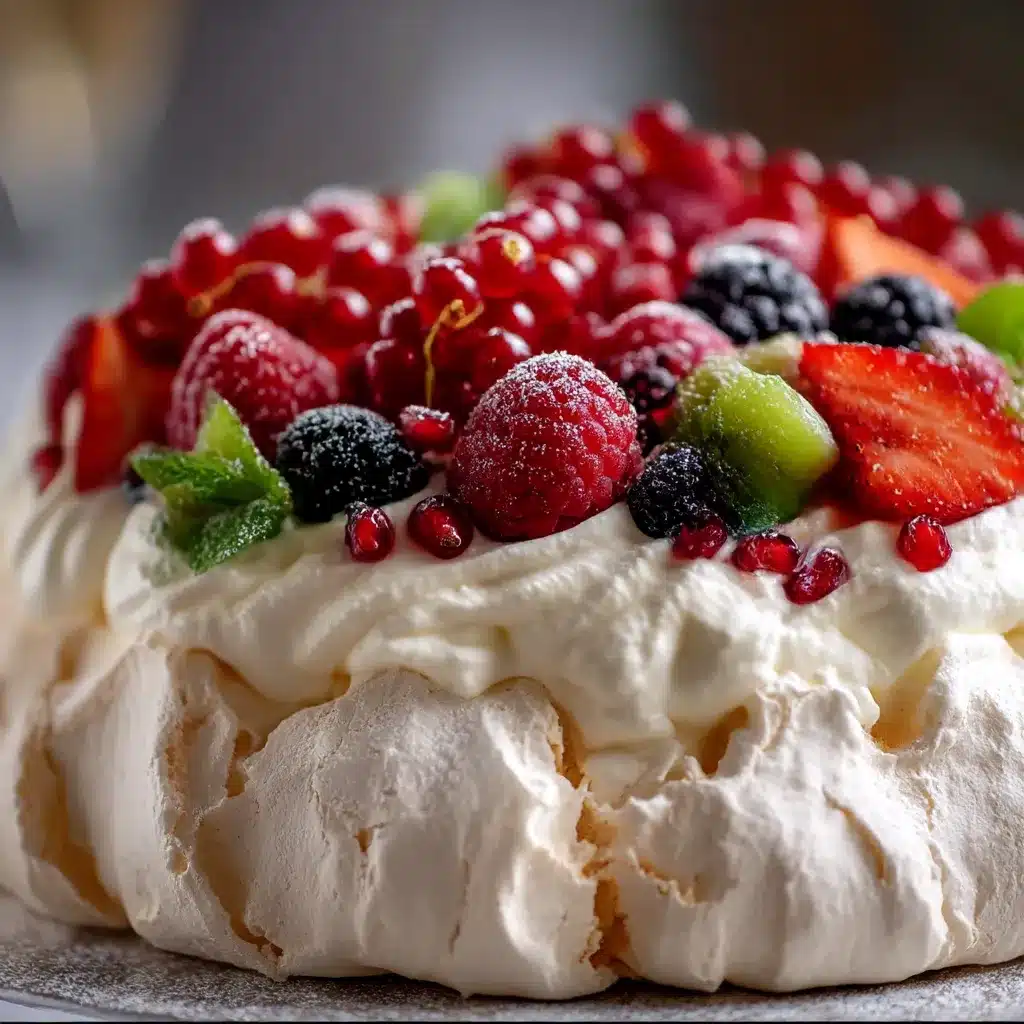
Full List of Ingredients
Before you begin, gather all your ingredients and let them come to room temperature. Pavlova is a dessert built on small details, and a little care here makes a big difference. Here’s what you’ll need:
-
Egg whites — Room-temperature egg whites whip higher and more quickly, giving the pavlova that signature cloud-like center.
-
Superfine sugar — Dissolves easily into the meringue, creating a glossy, stable structure.
-
Cornstarch — Helps maintain the marshmallow-like interior by giving the center extra softness and structure.
-
White vinegar — Stabilizes the egg whites and helps prevent cracking while baking.
-
Vanilla extract — Adds warm, aromatic flavor to both the meringue and the whipped cream.
-
Heavy whipping cream — Whips into a soft, billowy topping that pairs beautifully with the crisp shell.
-
Powdered sugar — Lightly sweetens the whipped cream without weighing it down.
-
Strawberries & kiwi — Add festive color, brightness, and juicy freshness.
-
Pomegranate seeds — Bring sparkle and a sweet-tart bite—perfect for Christmas.
-
Fresh mint — A simple garnish that adds fragrance and a holiday pop of green.
How to Make Christmas Pavlova
Step-by-Step Instructions
Making pavlova feels a little magical, and the process is much easier than it looks. Follow these friendly, foolproof steps:
-
Prep the oven and baking sheet.
Preheat your oven to a low 250°F (120°C). Pavlova needs gentle heat to dry out slowly and evenly. Line a baking sheet with parchment paper and, if you’d like, trace an 8-inch circle as a guide. This helps you shape the pavlova neatly without worry. -
Beat the egg whites to soft peaks.
In a clean, grease-free bowl, whip the egg whites on medium speed until they form soft, foamy peaks. At this stage, the mixture should look airy and slightly shiny—this tells you your base is ready for sugar. -
Add the sugar slowly for glossy, stable peaks.
Increase the mixer speed and add the superfine sugar one tablespoon at a time. This slow addition ensures the crystals dissolve completely, giving you that beautiful, glossy meringue. Keep whipping until stiff, shiny peaks form. -
Fold in the cornstarch, vinegar, and vanilla.
Gently fold these ingredients into the meringue. The cornstarch keeps the center soft, the vinegar helps stabilize the structure, and the vanilla adds warmth. Fold lightly to avoid deflating the meringue. -
Shape the pavlova and bake.
Spoon the meringue onto your prepared baking sheet, creating a round nest with slightly raised edges. Don’t worry about perfection—its rustic beauty is part of the charm. Bake until crisp on the outside but still pale. -
Cool the pavlova in the oven.
Turn off the heat and leave the pavlova inside with the door slightly ajar. This slow cooling helps prevent cracking or collapsing so the shape stays beautifully intact. -
Whip the cream to soft peaks.
Beat the heavy cream with powdered sugar and vanilla until light and billowy. Stop at soft peaks—this keeps the cream airy and cloud-like. -
Assemble with fruit and mint.
Once the pavlova is completely cool, swirl the whipped cream inside the center and top it generously with strawberries, kiwi, pomegranate seeds, and a few mint leaves. It should look festive and effortless—like Christmas on a plate.
What to Serve with This Recipe
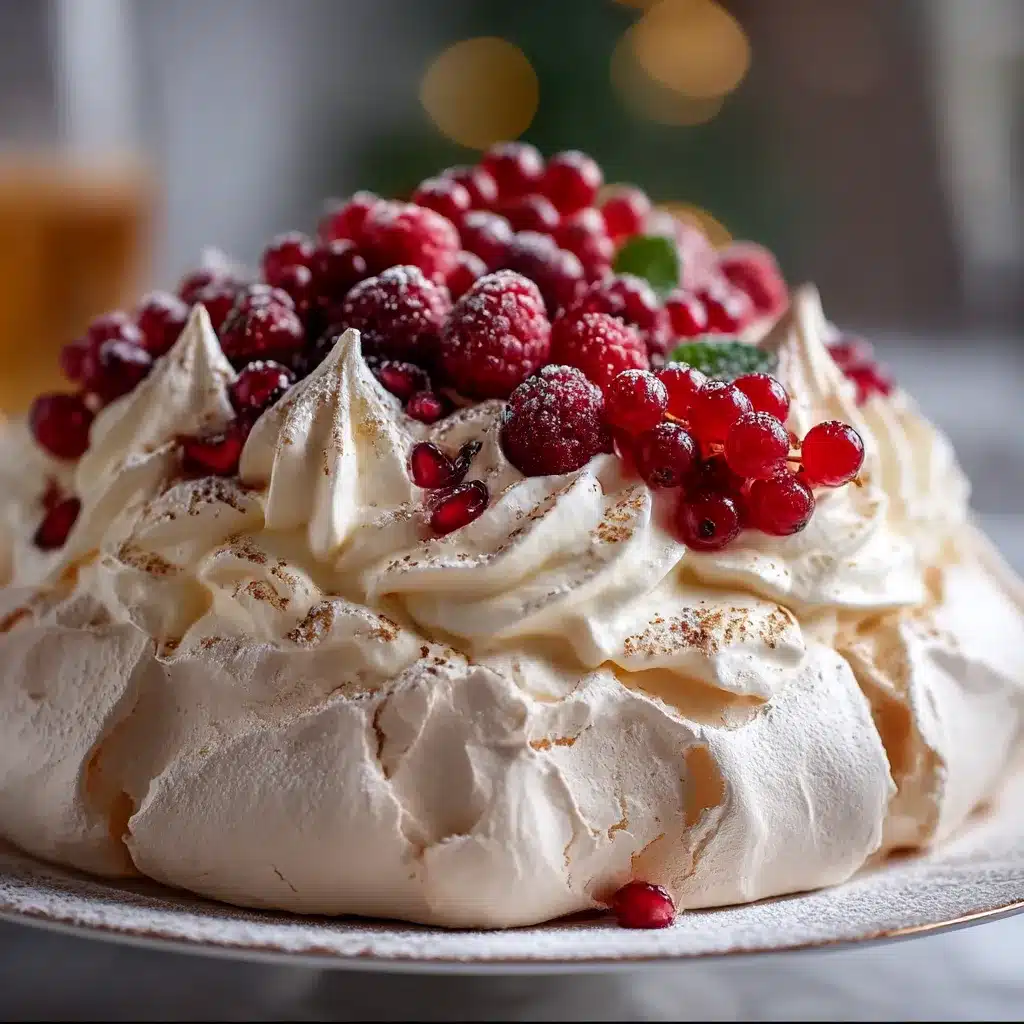
Suggested Pairings
Christmas Pavlova is already a centerpiece on its own, but the right pairings can elevate the experience even more. Here are some delicious options:
-
Sparkling wine — Light, bubbly, and refreshing, it cuts through the sweetness of the pavlova and makes the fruit flavors pop.
-
Coffee or tea — A warm cup balances the cool cream and bright fruit beautifully. Black tea, herbal blends, or a mild coffee all work wonderfully.
-
Vanilla or fruity ice cream — If you’d like to serve something extra indulgent, a scoop of ice cream adds a creamy chill that melts oh-so-lovingly into the warm flavors of the pavlova.
-
Fruit coulis — A drizzle of berry, raspberry, or passionfruit coulis adds tanginess that enhances the pavlova’s sweetness and brings an elegant finishing touch.
And if you want to create a full dessert spread, consider offering:
-
Christmas cookies for a fun and festive crunch.
-
Fresh fruit salad to complement the colors and flavors of the pavlova.
-
Mini chocolate truffles for a rich contrast.
These pairings create a warm, celebratory mood—perfect for holiday gatherings where every bite should feel special.
Variations and Substitutions
Classic Christmas Wreath Pavlova
If you want a pavlova that doubles as a centerpiece, the Christmas wreath style is absolutely stunning. Inspired by the festive creations often seen in Gemma’s Bigger Bolder Baking collection, this version is shaped into a beautiful circular ring with a hollow center—just like a holiday wreath. The shape feels instantly celebratory, and it’s surprisingly easy to achieve. Simply dollop the meringue in a ring and gently smooth the edges into soft, cloud-like curves. Once baked, you can decorate it with whipped cream, bright berries, kiwi, pomegranate seeds, and sprigs of mint that mimic holly leaves. The result is both rustic and elegant, making it a breathtaking addition to any Christmas table. It’s the kind of dessert that turns heads even before the first slice is served.
Tropical or Passionfruit Topping
If you’re celebrating Christmas in warm weather—or you simply love bright, sunny flavors—consider giving your pavlova a tropical twist. Inspired by festive desserts from delicious.com.au, passionfruit pulp makes a gorgeous topping that cuts through the sweetness of the meringue with its tangy, aromatic syrup. Mango slices, pineapple, or fresh blueberries also work beautifully, creating a rainbow of juicy color. These fruits add a refreshing, summery feel to the pavlova while still maintaining its celebratory charm. This variation is especially lovely for outdoor gatherings or holiday meals that lean toward lighter, fruit-forward dishes. Each bite feels bright, vibrant, and wonderfully uplifting—like a little sunshine in the middle of the Christmas season.
Gingerbread Pavlova Twist
For a cozy, spiced alternative, the gingerbread pavlova variation brings warm holiday flavors into every bite. Inspired by the version shared on Beyond Flour, this twist incorporates classic gingerbread spices—cinnamon, ginger, nutmeg, and a hint of cloves—into the meringue or whipped cream. The spices add a comforting aroma and a festive depth that pairs beautifully with winter fruits like pears, apples, or even spiced cranberries. The result is a pavlova that feels like a cross between a gingerbread cookie and a delicate meringue cloud. It’s perfect for those who adore traditional Christmas flavors but still want something light and airy. Serve it with a dusting of cinnamon or crushed ginger snaps for an extra touch of holiday magic.
Storage Instructions
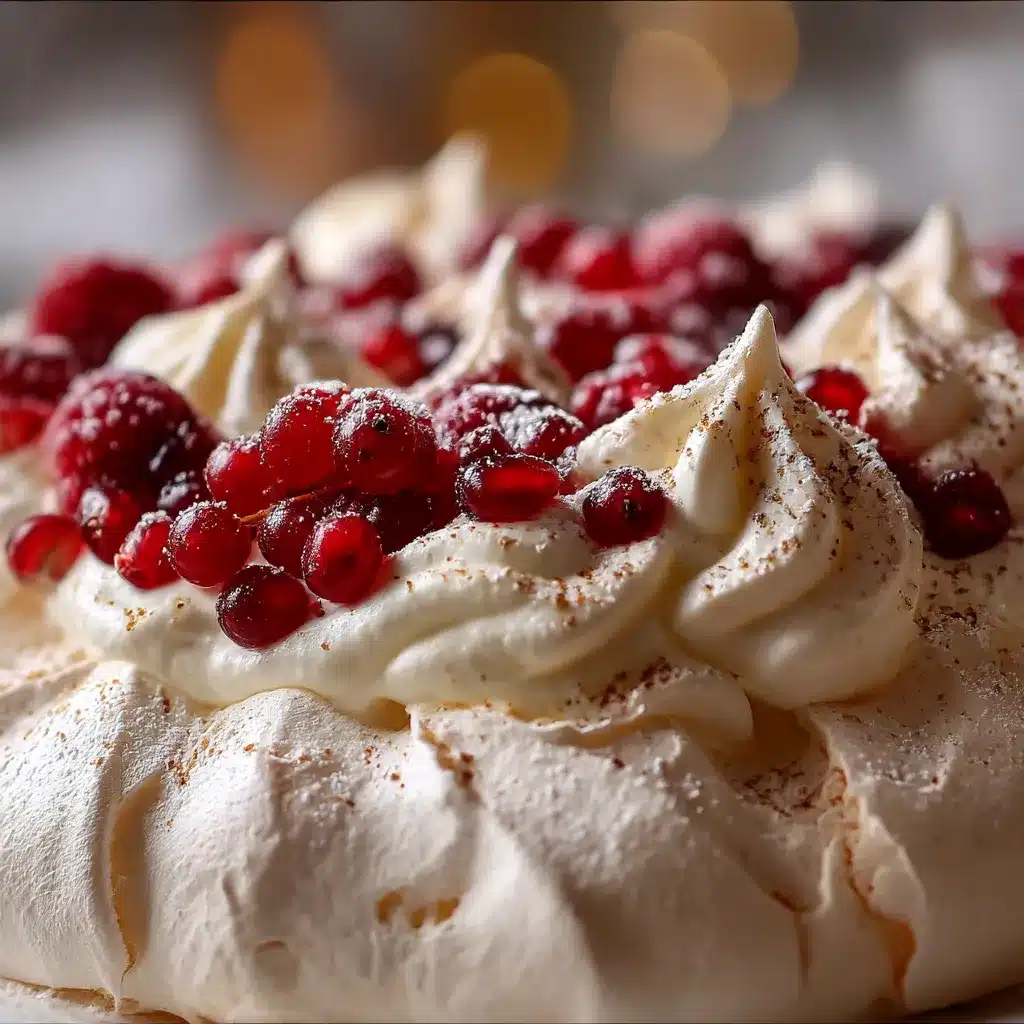
Room Temperature Storage
If your pavlova is undecorated, it stores beautifully at room temperature for several days. Following the advice often shared in Jane’s Patisserie recipes, the key is to keep it in an airtight container to protect it from moisture. Humidity is the enemy of pavlova—it can soften the crisp shell—so store it somewhere cool and dry. The meringue will stay crisp on the outside and soft inside, preserving the texture you worked so hard to achieve. This makes it an excellent make-ahead dessert base for busy holiday schedules.
Refrigeration Tips
Once the pavlova is topped with whipped cream and fresh fruit, it becomes more fragile and is best enjoyed right away. As noted in many of Gemma’s Bigger Bolder Baking tips, the cream and fruit begin to soften the crisp shell over time. If you do have leftovers, refrigerate them gently and enjoy within 1–2 days. The flavor will still be lovely, but the texture will naturally become softer as the moisture from the toppings absorbs into the meringue. For the very best results, store the base and toppings separately whenever possible.
Freezing Instructions
Pavlova bases freeze surprisingly well as long as they’re undecorated. To freeze, place the cooled meringue in a well-sealed airtight container or wrap it carefully in plastic wrap and foil. When ready to use, thaw it gently at room temperature while still wrapped—this prevents condensation from settling on the shell. Once thawed, add your whipped cream and fruit just before serving. While you should never freeze a fully assembled pavlova (the cream and fruit don’t fare well), freezing the base can be a lifesaver during busy holiday cooking.
Recipe Tips and Tricks
Here are some helpful, real-life tips to ensure your pavlova turns out beautifully every time:
-
Use superfine sugar for stability. It dissolves more easily, helping you achieve that glossy, sturdy meringue.
-
Make sure your bowl and whisk are completely grease-free. As Jane’s Patisserie often reminds bakers, even a small amount of fat can prevent the egg whites from whipping properly.
-
Don’t rush the cooling process. Turning off the oven and letting the pavlova cool inside helps prevent cracks and collapse—an essential step shared in Gemma’s Bigger Bolder Baking.
-
Fix slight cracks with whipped cream. Pavlova is naturally rustic, and cracks are easy to hide with a swirl of cream or a strategic fruit placement.
-
Make the base ahead of time. Store the undecorated meringue in an airtight container, then add cream and fruit just before serving.
-
Whip cream gently. Soft peaks give a lighter, more cloud-like texture that pairs beautifully with the pavlova’s shell.
-
Slice with a serrated knife. It cuts through the crisp exterior more cleanly.
These little techniques ensure your pavlova is as beautiful as it is delicious.
Related Recipes
If you loved this Christmas Pavlova recipe, you might enjoy these sweet holiday treats:
-
Easy Peppermint Fudge Recipe — festive sweet treat for holiday dessert tables.
-
Chocolate Covered Strawberry Pie Recipe — fruit-forward dessert that complements pavlova’s fresh flavor.
-
Cranberry Pistachio Shortbread Cookies Recipe — crunchy holiday cookie perfect for gift boxes.
-
Heavenly Moist Fruitcake Recipe — traditional holiday dessert richness alongside light pavlova.
FAQs
Why did my pavlova collapse?
Collapsing often happens when the pavlova cools too quickly or if the egg whites were overbeaten. To prevent this, turn off the oven when baking is done and allow the pavlova to cool inside with the door slightly ajar. This gentle cooling process helps maintain its structure—an approach often recommended in Gemma’s Bigger Bolder Baking meringue recipes.
Can I make pavlova ahead of time?
Absolutely. Many bakers, including those featured on Jane’s Patisserie, recommend making the pavlova base a day ahead. Once baked and cooled, store it in an airtight container at room temperature. Add the whipped cream and fruit only when ready to serve to keep the shell crisp and cloud-like.
What fruits work best?
Classic Christmas toppings include strawberries, kiwi, and pomegranate seeds for their festive colors and juicy freshness. But tropical fruits like passionfruit, blueberries, mango, or raspberries are also wonderful options, as highlighted in delicious.com.au recipes. Choose fruits that are vibrant, flavorful, and not excessively watery.
How do I fix weepy whipped cream?
If your whipped cream becomes runny, it may be due to warm tools or overwhipping. Chill your bowl and whisk before starting, and add powdered sugar gradually to help stabilize the texture. Whip only until soft, silky peaks form.
Can I freeze pavlova?
Yes, but only the undecorated meringue base. Freeze it well-wrapped, then thaw at room temperature while still wrapped to avoid condensation. Never freeze a fully assembled pavlova—the cream and fruit will not hold their texture.
Conclusion
Christmas Pavlova is one of those desserts that captures the heart at first glance. Its crisp edges, marshmallow-soft interior, festive toppings, and cloud-like cream make it a true holiday treasure. It’s elegant yet approachable, simple yet spectacular—proof that even a handful of everyday ingredients can become something magical. Whether you're hosting a lively Christmas gathering or enjoying a quiet holiday evening, this pavlova brings color, joy, and irresistible flavor to the table.
I hope this recipe brings as much delight to your kitchen as it has to mine.
Tell me your favorite topping in the comments!
And don’t forget to pin this recipe for later and share it with friends who love a festive treat.
Christmas Pavlova Recipe
- Total Time: 1 hour 35 minutes
- Yield: 6 servings
Description
A festive Christmas Pavlova with a crisp meringue shell, marshmallow-like center, topped with whipped cream, strawberries, kiwi, and pomegranate seeds — a vibrant holiday centerpiece dessert.
Ingredients
- 4 large egg whites, room temperature
- 1 cup superfine sugar
- 1 teaspoon cornstarch
- 1 teaspoon white vinegar
- 1 teaspoon vanilla extract
- 1 cup heavy whipping cream
- 2 tablespoons powdered sugar
- 1 teaspoon vanilla extract (for cream)
- 1 cup strawberries, sliced
- 1 cup kiwi, sliced
- ½ cup pomegranate seeds
- Fresh mint leaves, for garnish
Instructions
- Preheat oven to 250°F (120°C) and line a baking sheet with parchment paper.
- In a clean, dry bowl, beat egg whites with an electric mixer on medium speed until soft peaks form.
- Gradually add superfine sugar, one tablespoon at a time, beating on high until glossy stiff peaks form.
- Gently fold in cornstarch, vinegar, and vanilla extract.
- Spoon the meringue onto the prepared baking sheet, shaping it into a round nest with slightly raised edges.
- Bake for 1 hour 15 minutes, then turn off the oven and allow the pavlova to cool completely inside with the door slightly ajar.
- Whip heavy cream with powdered sugar and vanilla until soft peaks form.
- Spread whipped cream over the cooled pavlova and top with strawberries, kiwi, and pomegranate seeds.
- Garnish with fresh mint leaves and serve immediately.
Notes
- Use room temperature egg whites for maximum volume.
- Cool pavlova in the oven to prevent cracking.
- Add fruit toppings just before serving for best texture.
- Store meringue base separately if making ahead.
- Prep Time: 20 minutes
- Cook Time: 1 hour 15 minutes
Nutrition
- Serving Size: 1 slice
- Calories: 290
- Sugar: 32g
- Sodium: 35mg
- Fat: 15g
- Saturated Fat: 9g
- Unsaturated Fat: 5g
- Trans Fat: 0g
- Carbohydrates: 40g
- Fiber: 2g
- Protein: 3g
- Cholesterol: 20mg